
Books tagged: growth
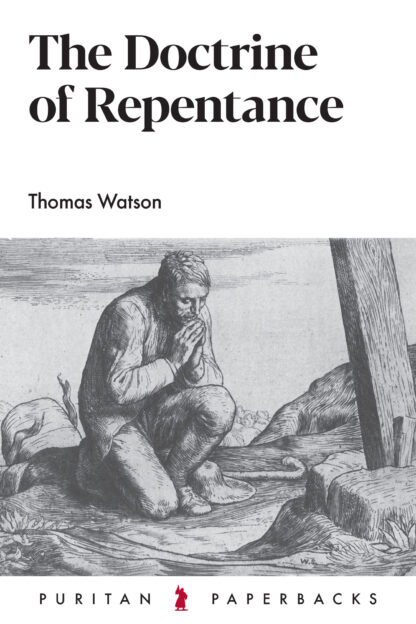

Thomas Watson
This is an excellent treatise on the importance and practice of repentance. It is useful both for understanding repentance as it relates to salvation and sanctification. The strength of this work is in its analysis of the nature of repentance itself. The older English may be a bit more difficult for some but it is more than worth the effort. This truly is a timeless treasure.
Its Nature, Hindrances, Difficulties, and Roots
J. C. Ryle
J. C. Ryle's "Holiness " is a lost treasure, written by one of the great Anglican priests and writers of the nineteenth century. Hendrickson reintroduces this classic text, largely unavailable today, on living a Christ-like life. "Holiness " is considered to be one of the most profound books on discipleship in the English language. Christians have recognized anew the critical importance of discipleship and spiritual formation to the life of the individual believer, the local church and to the Kingdom of God. Ryle's "Holiness " ranks among the core library of teachings on being a disciple of Jesus Christ. In this book, Ryle encourages the reader into a life of holiness, drawn completely from the Bible and not from contemporary books or preachers, or from any of the fads that were popular during his lifetime, much as they are today or in any era. He is writing about personal, or private, holiness, the life we live behind closed doors with our families and closest friends. "I have had a deep conviction for many years that practical holiness and entire self-consecration to God are not sufficiently attended by modern Christians in this country. Politics, controversy, or party-spirit, or worldliness, have eaten out the heart of lively piety in too many of us. The subject of personal godliness has fallen sadly into the background." --"J. C. Ryle "
A Biblical Theology Of Idolatry
G. K. Beale
The heart of the biblical understanding of idolatry, argues Gregory Beale, is that we take on the characteristics of what we worship. Employing Isaiah 6 as his interpretive lens, Beale demonstrates that this understanding of idolatry permeates the whole canon, from Genesis to Revelation. Beale concludes with an application of the biblical notion of idolatry to the challenges of contemporary life.